This page contains affiliate links. If you purchase a VPN through our links we may earn a commission at no extra cost to you. This never influences our reviews or rankings.
Choosing between VeePN and NordVPN in 2026 comes down to a simple question: do you want the most recognized “premium” VPN brand, or do you want comparable day-to-day performance and privacy at a lower, more flexible price? I’ve spent real time testing both services for the things people actually do with a VPN—protecting privacy on everyday connections, keeping speeds high, and accessing streaming libraries reliably. Below is a decision-focused breakdown of where each VPN is strongest, what you give up, and which plan makes the most sense depending on your budget and use case.
Quick comparison: VeePN vs NordVPN at a glance
Both NordVPN and VeePN are built around the same core promises that matter: strong encryption, a no-logs stance, modern protocols, and apps for the devices people use daily.
Both are headquartered in Panama, which is generally considered a privacy-friendly jurisdiction with no mandatory data retention laws and outside common intelligence-sharing alliances. Both can work for streaming, and both support typical “must-have” features like a kill switch and split tunneling.

VeePN
VeePN is a solid budget option for users who want reliable streaming access without spending much. With 2500+ servers across 85+ countries and up to 10 simultaneous connections, it delivers good value for the price.
- Very affordable pricing
- 10 simultaneous connections
- Good streaming performance
- No-logs policy
- Smaller server network than top competitors
- No independent audit

NordVPN
NordVPN is the most recognised VPN brand in the world for good reason. Industry-leading security features including Double VPN and Threat Protection, 6400+ servers in 111 countries, and a verified no-logs policy. A top choice for security-conscious users.
- Double VPN and Threat Protection features
- 6400+ servers in 111 countries
- Independently audited no-logs policy
- Excellent speeds with NordLynx protocol
- Only 6 simultaneous connections
- Slightly more expensive than Surfshark
The differences are more about value and consistency. NordVPN is the bigger brand with a massive server network and widely trusted privacy positioning supported by independent audits of its no-logs policy. VeePN is less visible marketing-wise, but it competes aggressively on price and offers a tiered structure (Basic, Pro, Max) so you can pay for exactly the feature set and device coverage you need.
Pricing and plans: what you actually pay (and what you get)
Pricing is where the gap becomes obvious, especially if you’re deciding based on long-term value rather than just brand recognition.
NordVPN pricing logic
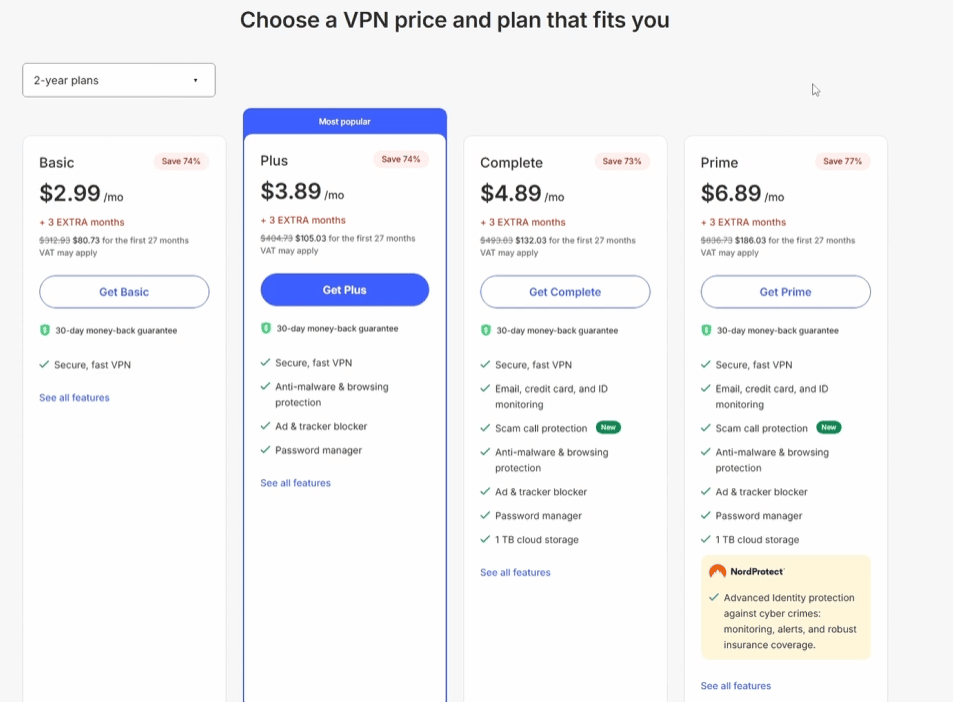
NordVPN is positioned as a premium service. The monthly plan is about $12.99, which is expensive if you’re a casual user. If you commit long-term, the cost drops significantly, with the two-year plan typically around $2.99 per month. That long-term price is not unreasonable, but it’s still “premium pricing” compared to some competitors.
The important takeaway is that NordVPN’s price reflects more than just infrastructure—it also reflects brand awareness and marketing reach. If you want the household-name VPN with a long track record and heavy third-party visibility, that premium is part of the deal.
VeePN pricing logic (Basic vs Pro vs Max)
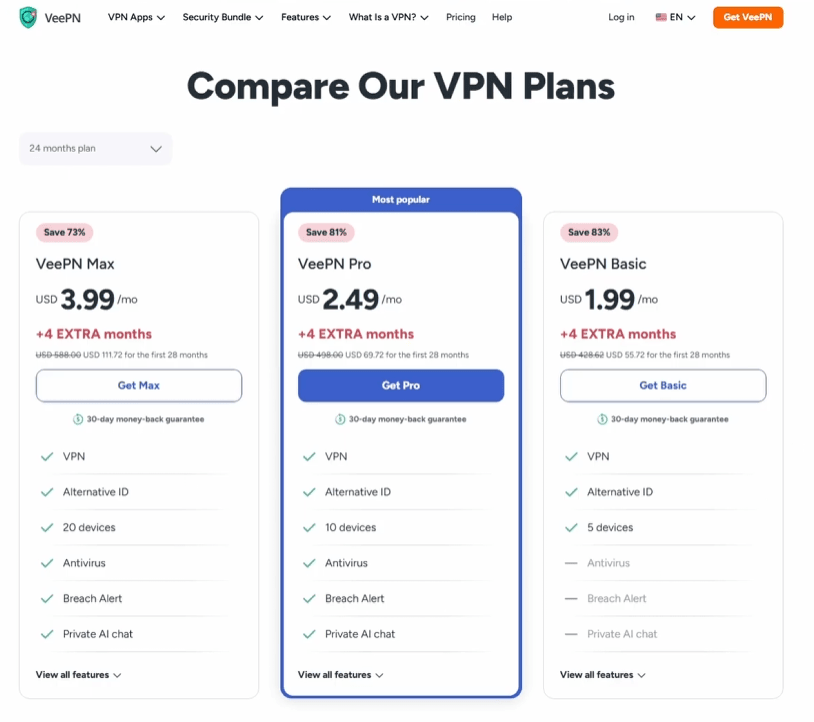
VeePN’s structure is more flexible. Instead of pushing one “best” plan for everyone, VeePN offers three tiers:
VeePN Basic is priced at $1.99 per month on a two-year commitment and includes core VPN protection for up to five devices plus NetGuard ad blocking and alternative identity tools.
VeePN Pro costs $2.49 per month on the same long-term term and increases coverage to ten devices while adding antivirus protection, breach alerts, and enhanced identity tools.
VeePN Max is $4.19 per month and extends coverage up to twenty devices, keeping the security and identity features included in Pro.
Long-term subscriptions can include three extra months added to a two-year plan (so you effectively get 27 months for the price of 24). Promotions change over time, so it’s worth checking the current deal when you’re ready to buy, but the overall pricing strategy is consistent: VeePN tries to win on cost-to-features rather than brand name.
Server network and locations: size vs coverage
Server count matters, but not in the way most people think. Bigger networks can reduce congestion and give you more location choices, but practical performance is still influenced by how well those servers are optimized and how close you are to a fast endpoint.
NordVPN network scale
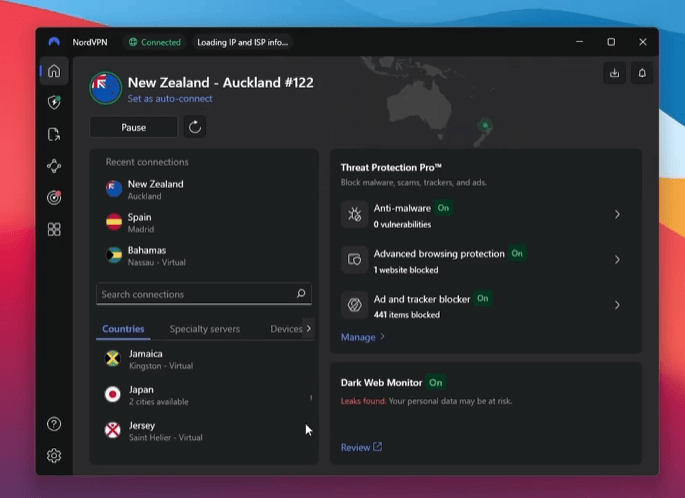
NordVPN runs a very large network, cited as 8,400+ servers across 174 locations (and also described elsewhere as 8,200+ servers across 165+ countries). Regardless of the exact count you focus on, the practical reality is the same: NordVPN operates at huge scale.
That scale can be useful if you frequently hop between countries, want more “backup options” when streaming services block certain IP ranges, or simply want a broader selection of endpoints at different times of day.
VeePN network scale
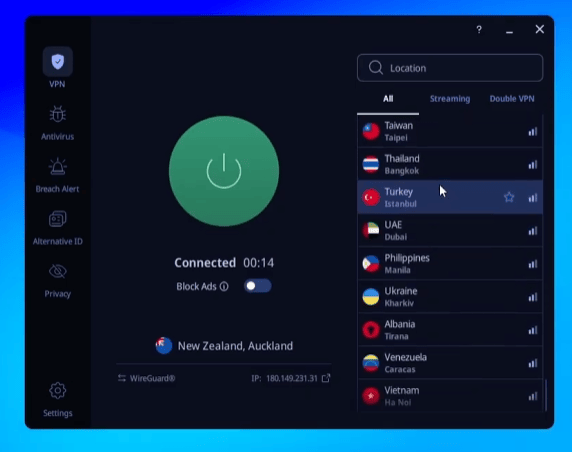
VeePN operates 2,600+ servers across 109 locations (also described in one dataset as 85 countries). This is a smaller network than NordVPN’s, but it’s still broad enough to cover major regions and popular streaming markets.
In real-world use, the smaller network doesn’t automatically mean “worse.” What matters is whether you can consistently get a fast, stable server where you need it—and whether the service can keep working for streaming when platforms are actively blocking VPN traffic.
Speed and performance: NordLynx vs VeePN’s real-world retention
Speed is one of the easiest places to get misled by marketing. VPN performance depends on protocol, distance, server load, and even whether you manually choose your nearest server.
NordVPN speed performance
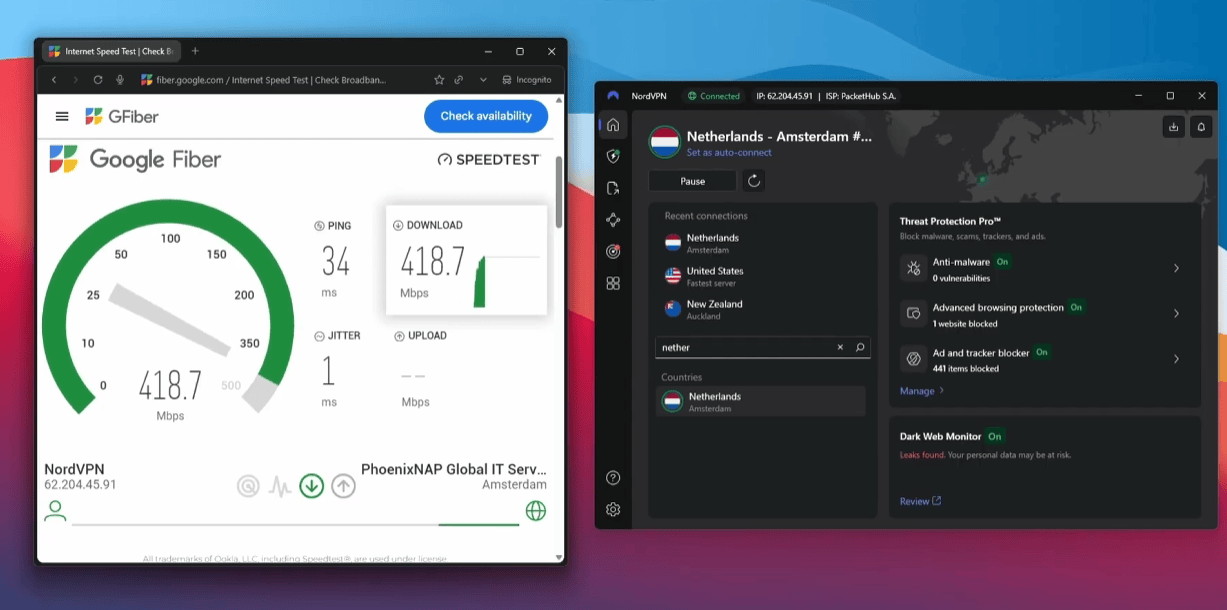
NordVPN’s standout performance feature is NordLynx, its WireGuard-based protocol. In testing environments, NordVPN can retain roughly 94% of baseline speed, which is strong for everyday browsing, high-quality streaming, and downloads.
VeePN speed performance
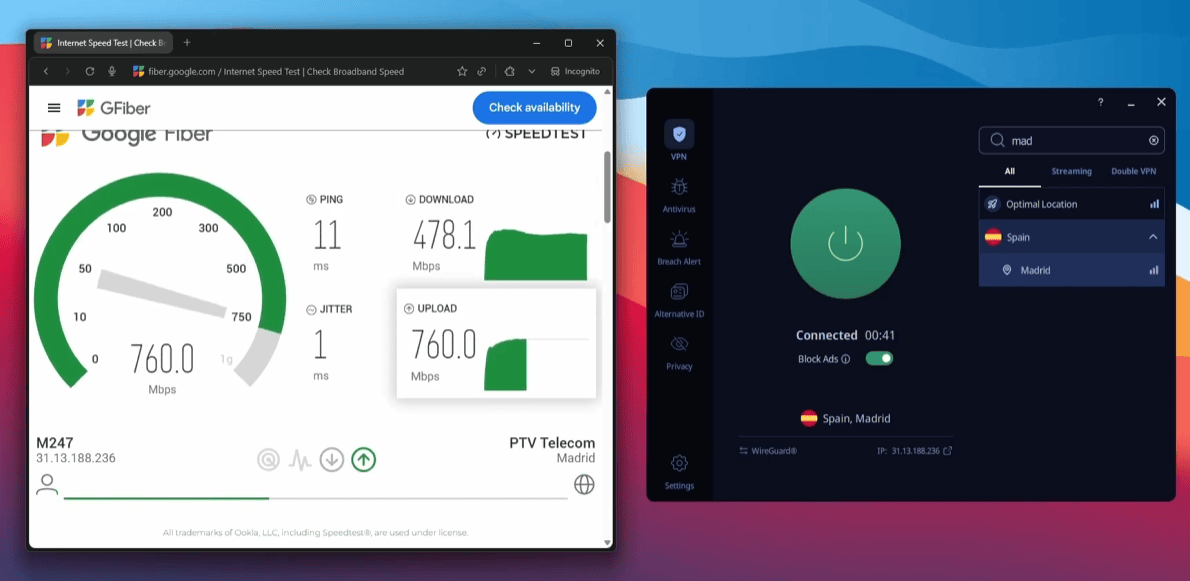
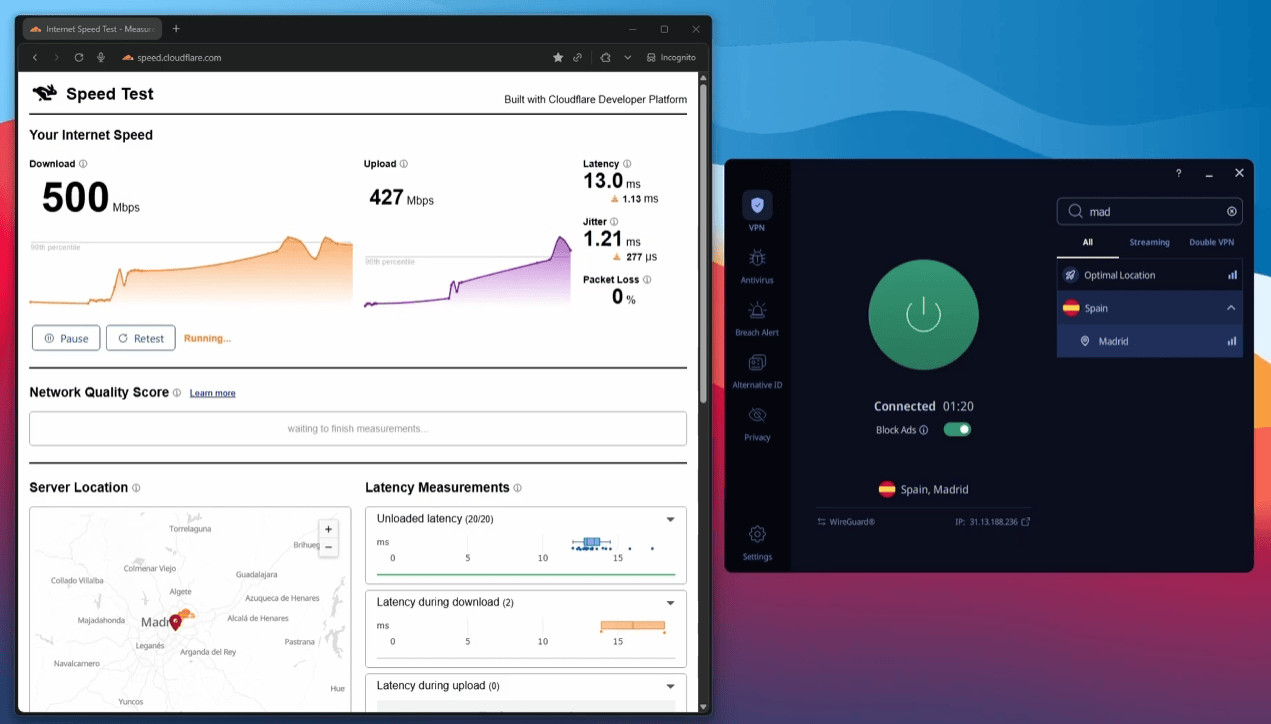
VeePN is also competitive on speed. In testing, it has been measured around 93% speed retention, which is extremely close to NordVPN’s results. In some speed tests, performance varied depending on server choice: manually selecting a closer server produced much better results than relying purely on an “optimal location” pick, and protocol selection mattered (WireGuard used for speed testing, but sometimes requiring changes for streaming access).
The realistic conclusion: both can be fast enough that most users won’t feel major slowdown day to day, especially if you use WireGuard where available and choose sensible nearby servers.
Privacy and security: jurisdiction, encryption, and no-logs credibility
Panama jurisdiction
Both services are headquartered in Panama, which is widely viewed as privacy-friendly due to the lack of mandatory retention laws and distance from common intelligence-sharing arrangements. That’s a meaningful advantage compared to VPNs based in countries with more aggressive data requests or retention frameworks.
Encryption and protocols
Both services use strong encryption. VeePN includes AES-256 encryption (the same general standard commonly used by serious VPN providers). NordVPN uses AES-256-GCM encryption and has been described alongside advanced cryptographic configurations such as a 4096-bit DH key in some technical summaries.
Protocol support differs in branding but overlaps in practice. NordVPN emphasizes NordLynx (WireGuard-based). VeePN supports OpenVPN, IKEv2, WireGuard, and Shadowsocks, giving you flexibility depending on whether you want speed, stability, or specific network compatibility.
Audits and trust signals
NordVPN’s privacy credibility is strengthened by independent audits of its no-logs policy (with audits described as performed by firms such as PwC and Deloitte). That matters if you’re choosing a VPN primarily for privacy assurance rather than price.
VeePN is described as maintaining a strict no-logs policy and not tracking IP addresses, browsing activity, or connection timestamps. Additional detail also notes VeePN may collect standard account and product-improvement data (device type, feature usage patterns) while still not keeping usage logs of your browsing activity. This distinction is common in VPN services: account-level data for billing and operations is not the same thing as logging what you do online.
Streaming performance: Netflix and beyond
Streaming access is where VPNs can feel great one day and frustrating the next, because streaming services actively fight VPN traffic. The best measure is not “does it work once,” but “how often does it work, and how much tinkering is required.”
NordVPN streaming results
NordVPN is consistently described as effective at unblocking Netflix in multiple regions, with mentions of access across many libraries (including high-demand ones like the US and UK). In practice, it can stream reliably, though you may sometimes need to switch servers to find one that works—something that’s true of most major VPNs as blocks evolve.
NordVPN also includes features positioned to improve streaming reliability, such as SmartPlay DNS, and has a strong track record on major platforms like BBC iPlayer and Hulu in published testing summaries.
VeePN streaming results
VeePN is positioned as very strong for streaming for the price, with claims of successfully unblocking Netflix libraries in regions like the US, UK, Canada, and Australia, and working with platforms such as BBC iPlayer, Amazon Prime Video, and Hulu. It also offers streaming-optimized servers.
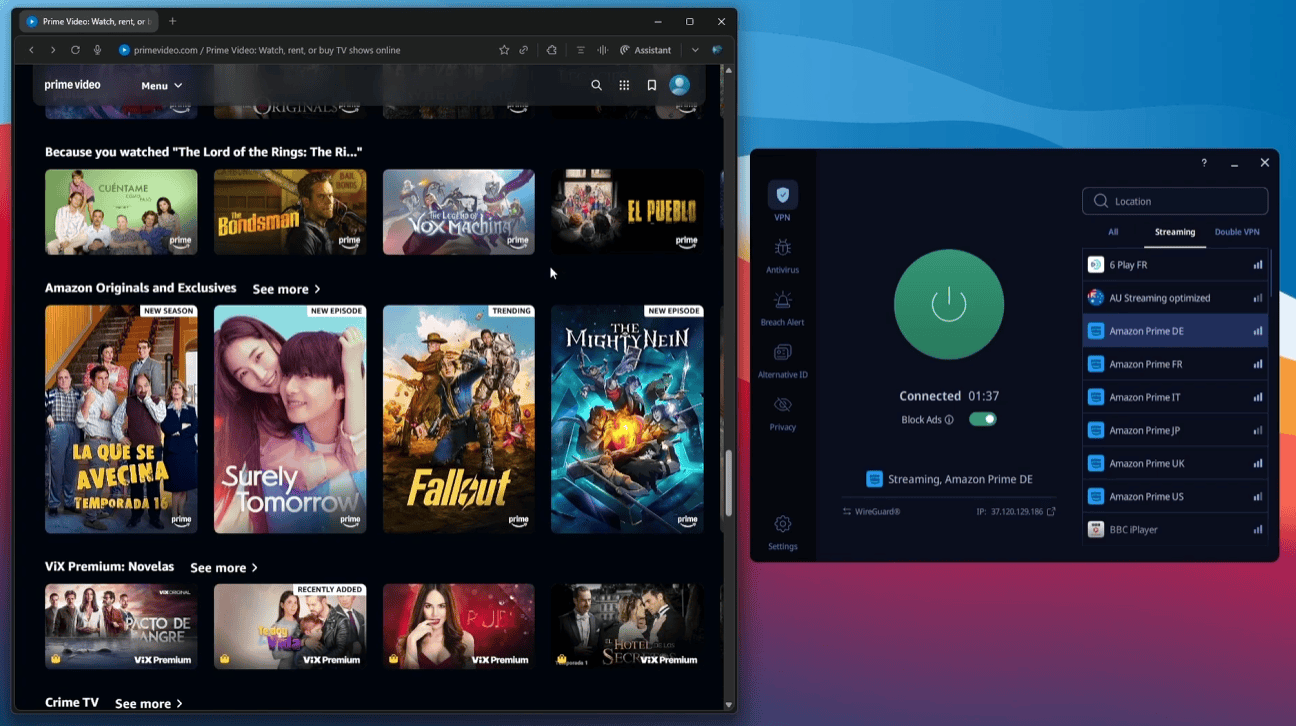
However, real-world testing notes a more nuanced experience: some streaming-optimized servers did not work consistently, some platforms required switching servers or changing protocols, and in at least one case an Australia streaming server wouldn’t load streams until switching to a regular server. Netflix access was possible, but not always seamless.
The honest takeaway: if streaming is your number-one priority and you want fewer troubleshooting steps, NordVPN’s maturity and scale can make life easier. If you’re budget-focused and willing to occasionally switch servers or protocols, VeePN can still deliver strong streaming value.
Key features that matter in daily use
Kill switch: essential, but reliability matters
A kill switch is supposed to protect you if the VPN connection drops by cutting your internet so your real IP doesn’t leak.
VeePN is described as having a kill switch that can be enabled in privacy settings, but testing feedback also notes at least one cycle where the kill switch was unusable or failed during server switching (real location appearing after switching servers). That’s an important consideration if you’re using a VPN for higher-risk privacy situations (public Wi-Fi, sensitive work, or simply wanting maximum leak protection with zero compromises).
NordVPN also includes a kill switch as a standard expectation in this class, and it tends to be treated as part of the “premium reliability” you’re paying for, though the information provided here focuses more on audits, infrastructure, and protocol performance than on a specific kill-switch test outcome.
Split tunneling: practical control
Both services include split tunneling. This is useful if you want certain apps to use the VPN while others connect normally—for example, routing streaming apps through the VPN while leaving banking or local services on your regular connection.
Ad/tracker blocking and security extras
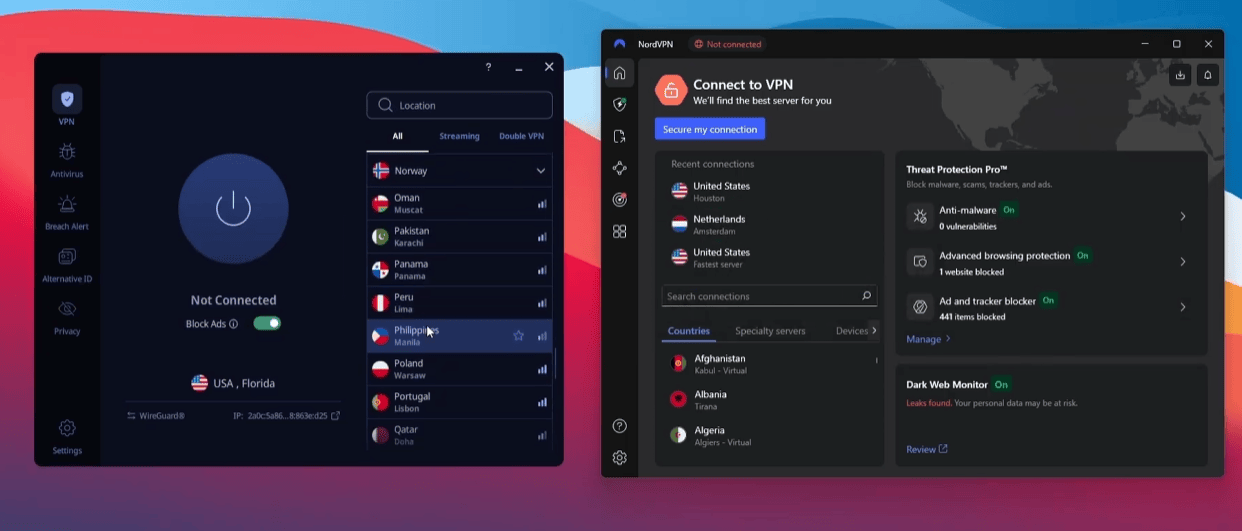
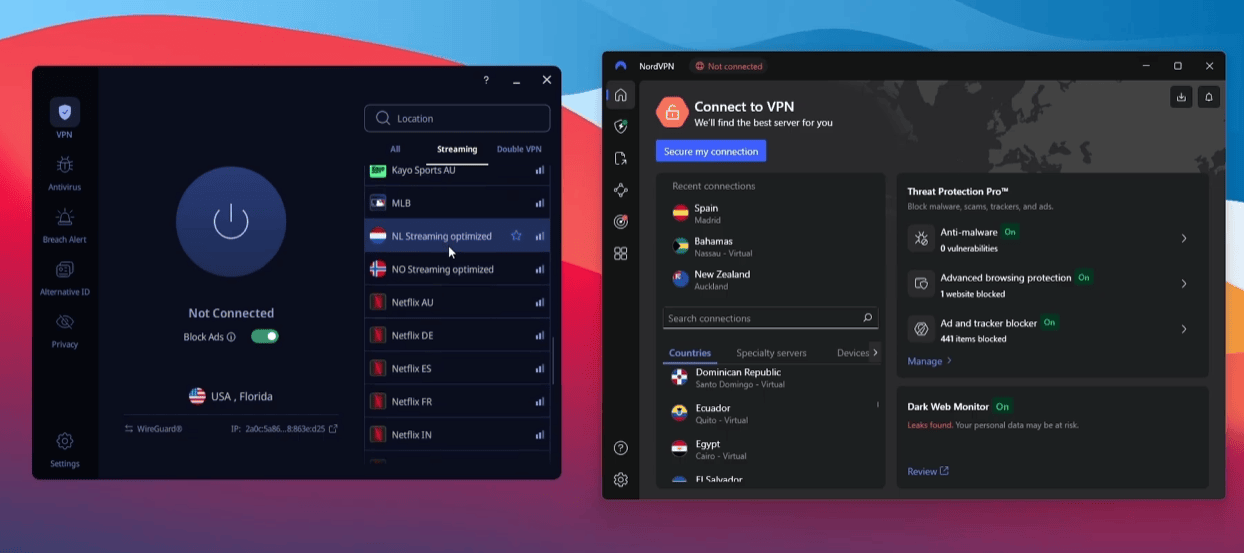
NordVPN offers Threat Protection (ad and malware blocking) and other specialty routing options such as Double VPN, with additional features like Dark Web Monitor described in some summaries.
VeePN includes NetGuard for blocking ads, trackers, and malicious sites. On higher tiers (Pro and Max), it adds antivirus, breach alerts, and expanded identity tools like Alternative ID and anonymous/temporary email features. If you like the idea of a VPN plus a basic security bundle in one subscription, VeePN’s tiering is designed exactly for that.
Device support and compatibility
Both services support a wide range of platforms, which matters more in 2026 because most households use multiple device types.
VeePN supports Windows, macOS, Linux, Android, iOS, and includes browser extensions for Chrome, Firefox, and Edge. It also works with Apple TV, Fire TV, Android TV, PlayStation, Xbox, and routers.
NordVPN is also commonly used across major desktop and mobile platforms and is known for broad compatibility and ease of setup, with router use often recommended as a way to protect an entire home network at once.
If you need to cover a lot of devices, VeePN Max (up to 20 devices) is a standout on paper, especially for families or small teams.
Customer support experience
Both services offer support options like live chat and email. VeePN is described as having 24/7 support channels and a knowledge base, but some testing feedback notes mixed live chat effectiveness, with incomplete troubleshooting guidance and limited ability to resolve certain connection issues.
That doesn’t mean support is always poor, but it does reinforce the broader theme: VeePN can deliver excellent value, but you may occasionally be more “hands-on” in solving edge cases than you would with a premium service.
Which one should you choose in 2026?
This isn’t really a “which VPN is objectively better” debate. It’s a value and risk-tolerance decision.
Choose NordVPN if you want the premium, proven all-rounder
NordVPN makes the most sense if you care about brand maturity, independent audit credibility, huge infrastructure, and generally reliable performance across many regions. It’s especially appealing if streaming reliability is your priority and you want fewer moments where you’re switching servers or changing protocols to make a platform work.
The tradeoff is cost. The monthly plan is expensive, and even the long-term price reflects premium positioning.
Choose VeePN if you want the best price-to-features value and flexible tiers
VeePN is the smarter buy if you want strong encryption, Panama jurisdiction, modern protocol support, good speeds, and streaming capability—while paying less and choosing a plan that matches your needs.
VeePN Basic at $1.99 per month on a two-year term is compelling for straightforward privacy and streaming access on up to five devices. VeePN Pro at $2.49 adds a more complete security layer (antivirus, breach alerts, identity tools) while still undercutting NordVPN’s long-term pricing. VeePN Max at $4.19 is ideal when device coverage is the priority and you want protection across a large household.
The tradeoff is consistency. Some testing indicates occasional streaming friction and concerns around kill switch reliability in certain scenarios. If you need maximum “set it and forget it” confidence, that’s worth weighing carefully.
Conclusion: the best choice depends on your budget and how much reliability matters to you
If you want the safest bet—the VPN that’s widely trusted, heavily validated through independent audits, and backed by a massive infrastructure—NordVPN is still a strong pick for 2026, and the two-year pricing can be reasonable if you’re comfortable paying for a premium brand.
If you want strong everyday privacy and streaming capability at a lower price, with the flexibility to choose between Basic, Pro, and Max depending on your device count and security needs, VeePN offers excellent value. Just go in with realistic expectations: you may sometimes need to switch servers or protocols for streaming, and if kill switch reliability is critical for your use case, that should be part of your decision.
Either way, the “best” VPN is the one you’ll actually keep turned on—because consistent use is what delivers privacy benefits in the real world.







Prices in USD. Regional pricing and VAT may apply at checkout. Deal terms verified April 23, 2026